As Malawi heads toward the September 2025 elections, alarm bells are ringing over the country’s escalating fiscal pressure and surging public debt.
The World Bank, in its latest Malawi Economic Monitor, has since warned that unchecked pre-election spending, soaring inflation and stalled reforms could dangerously destabilise the economy.

Titled ‘Navigating Uncertainty,’ the 21st edition of the report reveals that Malawi’s fiscal deficit ballooned to 10.5 percent of gross domestic product (GDP) for the 2024/25 fiscal year—well above the approved 7 percent target. The increase was attributed largely to wage hikes and expanded development allocations. The deficit is projected to remain high at 9.2 percent in the 2025/26 fiscal year.
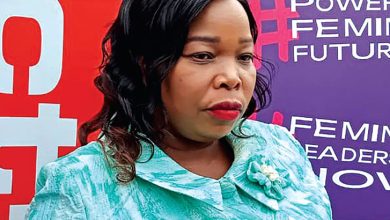
In an interview, Economics Association of Malawi president Bertha Bangara-Chikadza warned of a possible repeat of 2022 currency fall.
“Malawi has a history of pre-election fiscal slippage where we tend to spend more than planned, which increases domestic borrowing and bloats public debt.
“If this trend continues, we could see a repeat of the 2022 currency crash, where the kwacha lost 22 percent of its value,” she said.
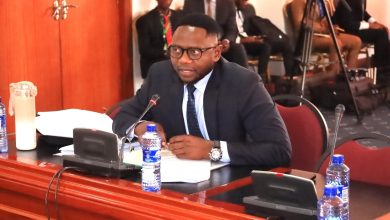
Scotland-based economist Veri Nyirongo said the risks are compounded by the collapse of Malawi’s International Monetary Fund (IMF) Extended Credit Facility in May 2025 and declining donor support.
“With reduced grants and the end of the IMF programme, the government is likely to turn to domestic borrowing and money creation,” he said. “Both have already contributed to inflation and currency weakness.”
The World Bank warned that further fiscal indiscipline could erode investor confidence and delay recovery efforts.
Mounting debt and reduced fiscal space
Interest payments on domestic debt reached seven percent of GDP in 2024, consuming 45.8 percent of domestic revenue. This figure is expected to rise to over 50 percent in 2025/26 fiscal year, reducing funds available for essential services and public investment.
Efforts to restructure external commercial debt remain slow, particularly with Afreximbank and the Trade and Development Bank. The bank noted that further delays in restructuring would limit the government’s options and increase financing costs.
Despite these risks, Malawi’s 2025/26 budget forecasts GDP growth of 3.4 percent and inflation at 22.3 percent. Analysts say these figures are optimistic.
“These estimates were based on strong agriculture and improved forex,” said Bangara-Chikadza. “But El-Niño disrupted the farming season, and maize production fell by 22 percent in 2025 after a 40 percent drop the year before.”
Nyirongo added that most independent projections, including from the IMF and World Bank, place 2025 growth between 1.6 percent and 2.6 percent. “Only with strong agricultural recovery could we reach the official target,” he said. “Inflation, on the other hand, will likely stay between 24 percent and 29 percent.”
Inflation drivers: fiscal choices and external shocks
While food inflation eased to 27.7 percent in May, underlying price pressures remain high. The World Bank attributes this to fiscal expansion and currency depreciation.
Bangara-Chikadza said both fiscal and external factors are driving inflation.
“Fiscal policy contributes about 40 percent to inflation through deficit monetisation and currency depreciation, but food shocks—especially maize—can push prices up by 250 percent year-on-year,” she noted.
Nyirongo agreed: “Without tighter fiscal control and stronger monetary policy, inflation will remain elevated even if weather conditions improve.”
Call for structural reform and better governance
The World Bank urged authorities to broaden the tax base, cut inefficient spending, and finalise debt restructuring. Local economists say deeper governance reforms are also needed.
“Our VAT exemptions cost about three times of GDP,” said Bangara-Chikadza. “We must reassess tax incentives and strengthen procurement systems. Kenya’s e-procurement model could help reduce leakages, and Ifmis should be fully activated.”
Economic statistician Alick Nyasulu stressed that public finance reform hinges on political will. “Unless we address serious abuse of public funds, discipline will remain difficult,” he said.
Nyirongo recommended a shift toward progressive taxation and export-oriented growth. “We should prioritise mining, tourism, and manufacturing, while trimming wasteful subsidies. Rationalising input programmes and completing debt restructuring could ease the burden without hurting service delivery.”
He added that removing forex surrender requirements and reducing trade barriers would improve competitiveness.
Fragile outlook ahead of elections
With elections approaching and key vulnerabilities unresolved, the World Bank warns that continued fiscal slippage could entrench economic instability. Declining donor support, weak agriculture, high inflation, and currency depreciation are all weighing on recovery.
“As a country, we need to incorporate forward-looking risks,” said Bangara-Chikadza. “What happens in September could determine how the kwacha performs in 2026.”